Xend Global
Xend Global is a Web3 payment product that enables users to send cryptocurrency to social usernames, such as Twitter handles, email addresses, or GitHub usernames, eliminating the need for manual wallet address typing.
Our mission was simple:
Make sending crypto feel as easy as sending a message, no complex networks. No 44-character wallet addresses. Just → “Send to @username.”
I led the end-to-end product design, from research and user flows to UI, interaction design, and extension UX.
Overview
Project Background
The project began in August 2025 and shipped its first beta in November 2025. It started as a result of the major UX gap present in the blockchain space, especially when it relates to sending tokens.
Users experienced problems like:
44-character wallet addresses that are impossible to remember
triple-checking network compatibility
No familiar Web2-style identity (phone, email, username)
navigating high cognitive load and risk
onboarding flows that intimidate regular Web2 users
Sending crypto feels like defusing a bomb, requiring 100% attention.
Identifying these gaps led to two clear opportunities, i.e, reduce friction in crypto payments and build a web2-friendly entry point for users.
Design Approach
My Approach to designing Xend Global was multifaceted as I had to design a product that abstracts the complexities of web3 for the everyday fintech user.
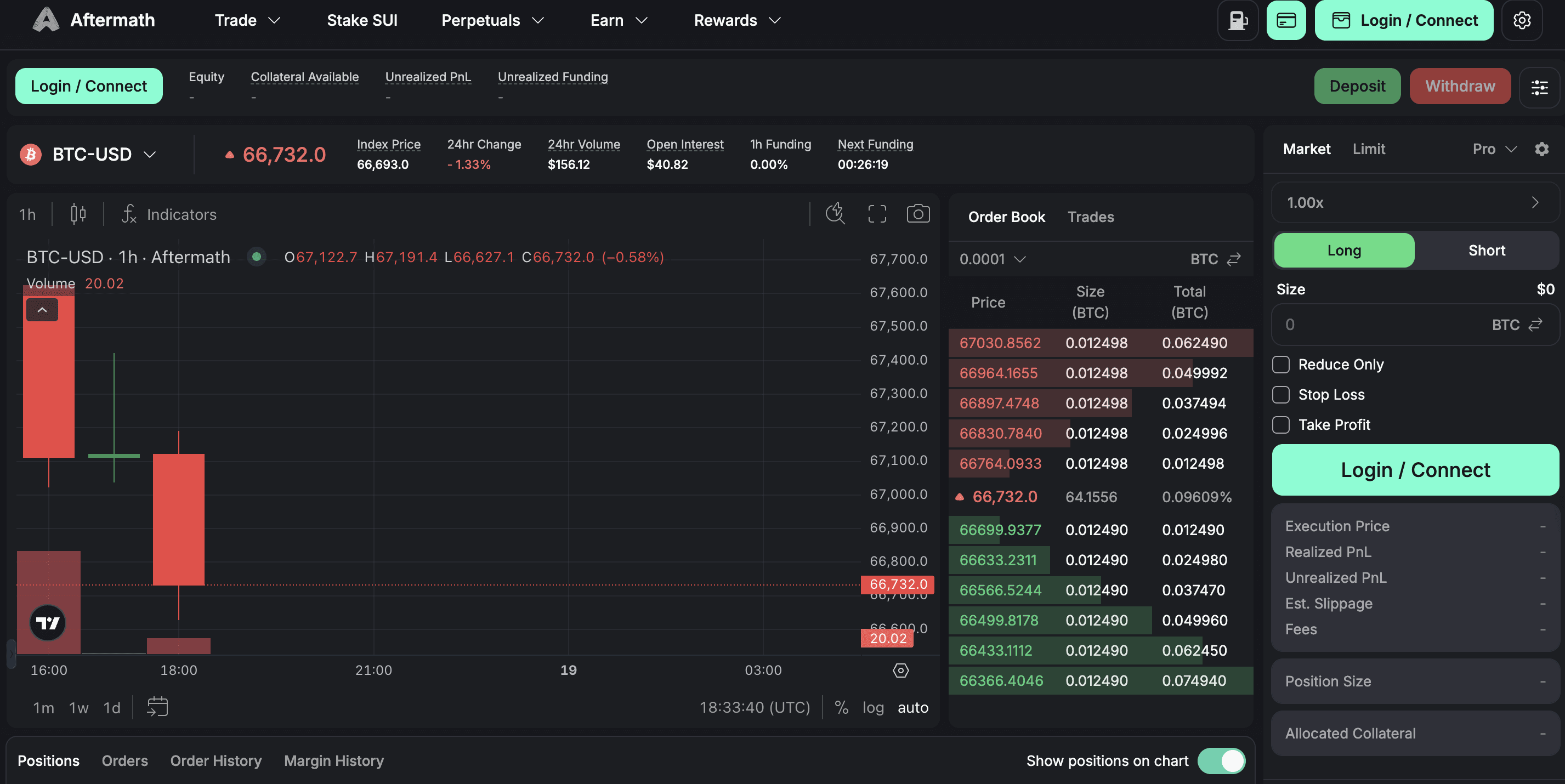
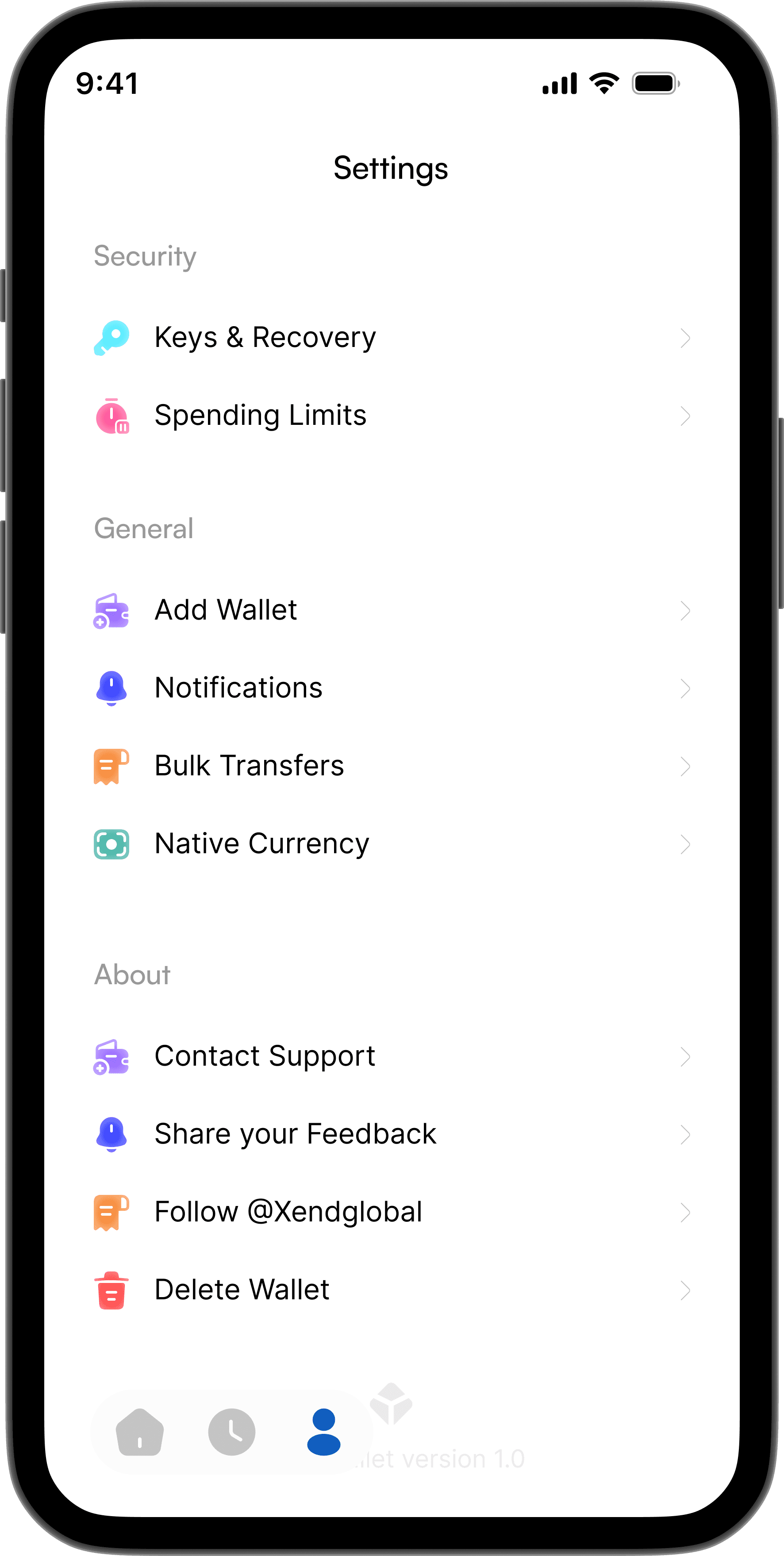
I carried out competitive analysis, studying other wallets that do something similar or offer a payment infrastructure. I studied wallets like:
Phantom: OG wallet that is primarily built for the Solana ecosystem.
Coinbase: Arguably has one of the best UX when it comes to sending money
Fuse Wallet: Quietly redefining the UI and UX of the Solana ecosystem, and was featured in 2 different categories of Expo's top mobile apps of the year.
Social Drop: A competitor, but on the EVM
This helped me identify what users expect, what works, and gaps in current flows.
I conducted User interviews, speaking with active web3 users, new adopters who are just coming into the web3 space, native traditional fintech users, and finally, people who are generally intimidated by the crypto space.
I carried out reviews of various UX patterns, studying wallet UX patterns, focusing on:
Sending flows
gas/network decisions
identity mapping
error states
Design Frameworks Used
1. Hick’s Law: Minimizing choices at each step to reduce hesitation.
2. Fitts’ Law: Making interactive elements large, easy to tap, and close to expected touch zones.
3. Jakob’s Law: Leveraging mental models users already understand from apps like Cash App, PayPal, and Coinbase.
4. Error Prevention & Predictability: Clear summaries, confirmations, and segmentation to avoid costly mistakes.
5. Cognitive Load Reduction: Only showing what users need at each moment.
Challenges
One of the first challenges we faced was finding the right balance between Web2 familiarity and Web3 complexity. Crypto transfers come with a lot of cognitive load, long addresses, irreversible mistakes, and confusing networks. My design philosophy is that simplicity builds trust, so I pushed for an experience that removed as much friction as possible while still keeping users informed. This sparked several internal discussions about what to hide, what to explain, and how much control users really needed. By grounding our decisions in user interviews and borrowing familiar patterns from Coinbase, we aligned on a direction that prioritized intuition over technicality.
Designing the browser extension and overlay brought a different type of complexity. It was the first time both design and engineering were building something that sat directly on top of Twitter and reacted to whatever profile the user was viewing. The overlay needed to detect usernames, the extension needed to validate them, and both had to communicate seamlessly. We studied similar extensions, explored different architectural paths, and iterated together until we arrived at a version that was stable enough for V1 without creating unnecessary technical debt. It required a lot of patience and collaborative problem-solving, but it shaped a more grounded implementation plan.
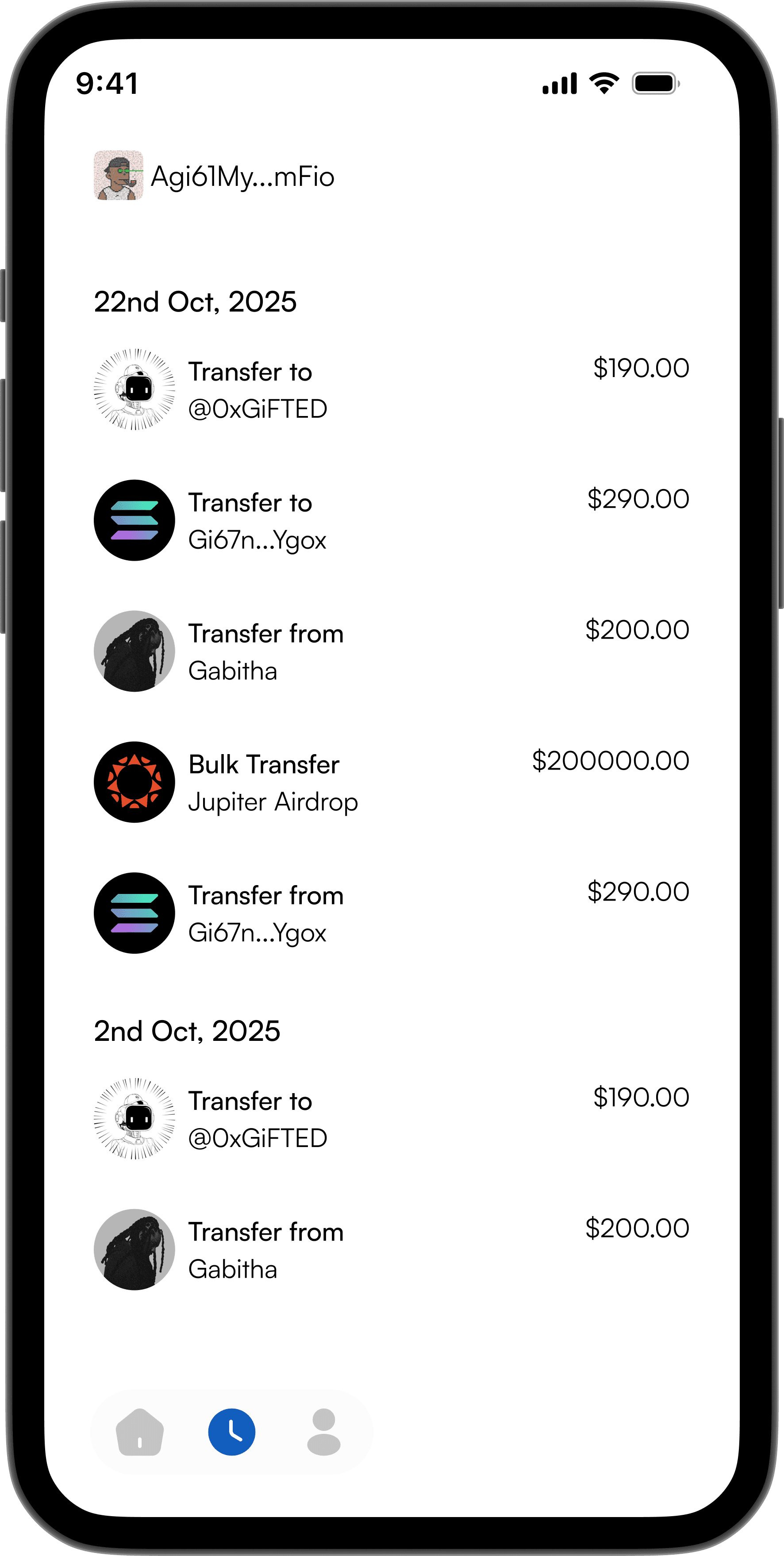
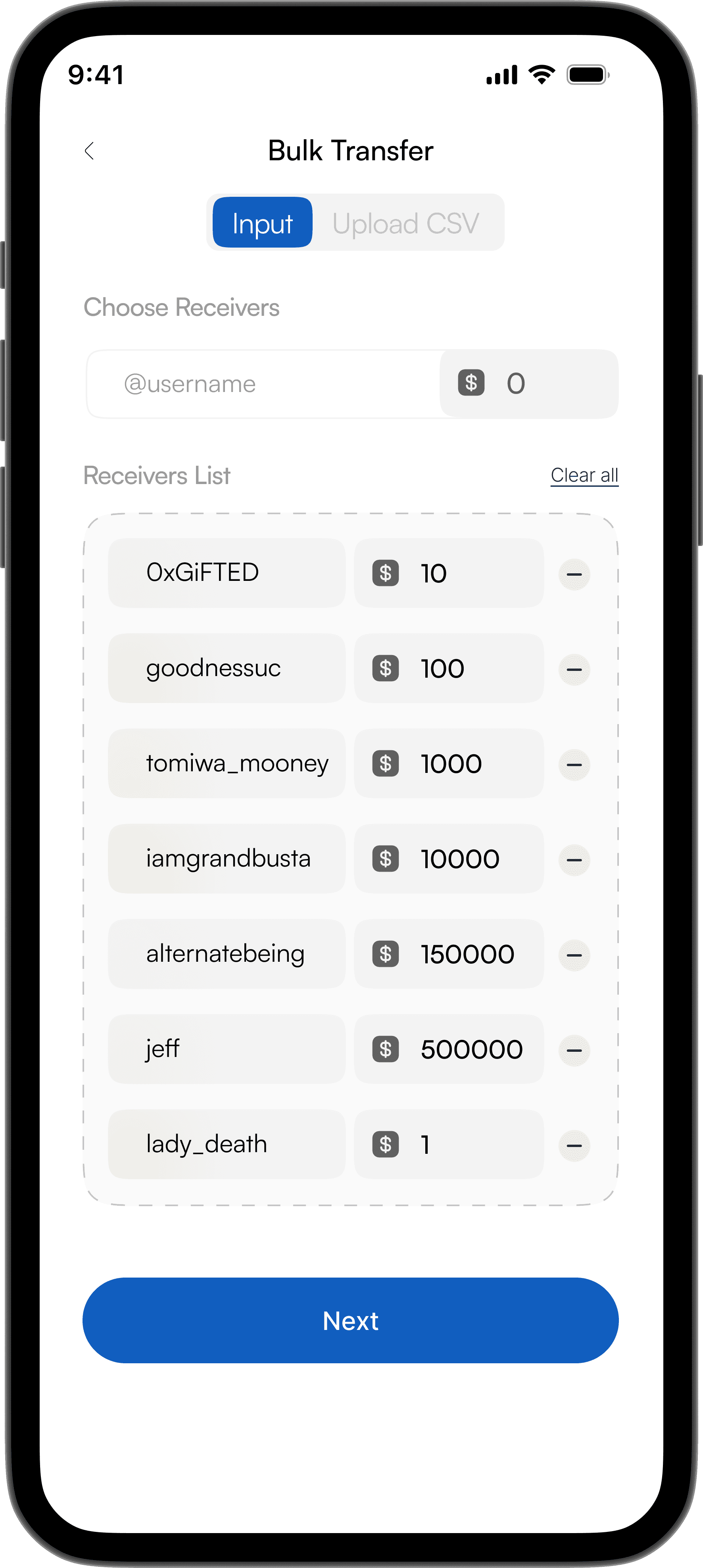
A more subtle, yet insightful, conflict arose from the bulk transfer feature. My original design used horizontally scrollable cards with large tap targets to prevent mistakes, especially since money is involved. During a review, the lead developer suggested a vertically scrollable layout instead, arguing it felt more native on mobile and reduced hidden content. After talking through the trade-offs, we realized that a vertical layout aligned better with Hick’s Law: showing more information upfront actually simplified decision-making. Adjusting the design proved to be the right move, making the feature more intuitive.
In the end, these constraints didn’t hold the project back; they shaped it. Each challenge helped us refine our thinking, make smarter decisions, and build a product that was both practical and genuinely enjoyable to use. The healthy tension between design ambition and engineering feasibility ultimately led to a cleaner, more strategic release
Final Solution
By the end of our three-month build cycle, we delivered a clean V1 that brought username-based crypto transfers to life. The goal was simple: make Web3 payments feel as familiar as sending a message on a Web2 app — while handling all the underlying blockchain complexity in the background.
At the heart of the product, Xend Global introduced a simple idea I strongly believed in: sending money to someone should be as easy as typing their Twitter username. No long wallet addresses, no anxiety about networks — just “@OpenAI → amount → send.” That interaction became the anchor that guided the rest of the experience.
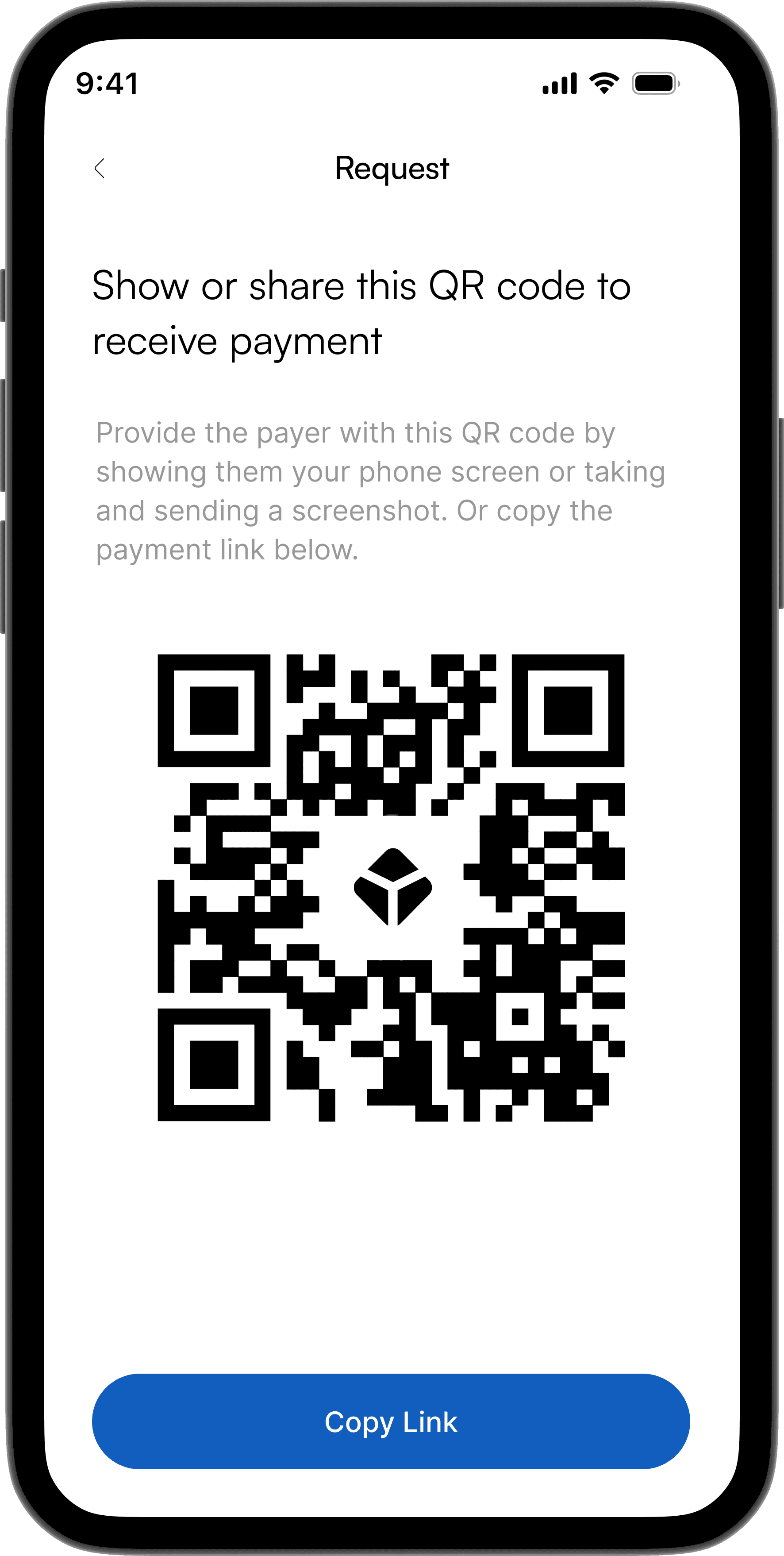
As the product evolved, I extended the flow with the features users needed to complete the journey: QR and link-based payment requests, bulk transfers, a straightforward deposit path, and a smart-account wallet that kept everything stable under the hood. I also designed the Chromium extension for desktop usage, along with an overlay system that could detect usernames directly on Twitter profiles, although we intentionally moved that to a later release to avoid forcing early technical debt.
Overall, V1 was designed to be foundational. We kept it clean, intuitive, and identity-driven, making sure the basics worked seamlessly before layering on more advanced features.